Solar panels are often promoted as a universal solution for lowering energy bills and reducing environmental impact. While solar power can be a great option for some homeowners, it is not the right fit for every home or every situation. Before making a major investment, it’s important to understand the potential drawbacks and limitations.
Here are several reasons why installing solar panels on your home may not be the best choice.
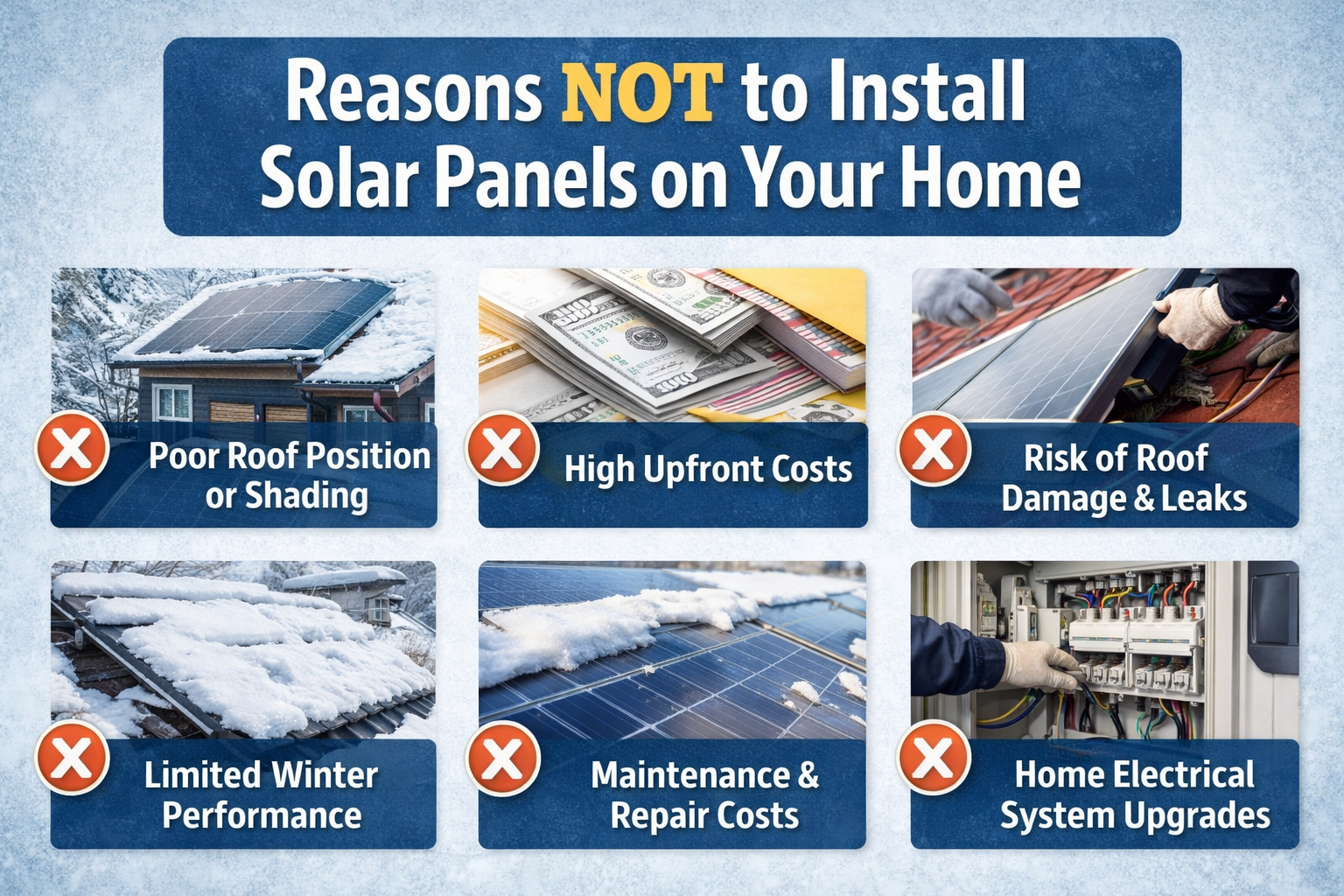
1. Your Roof Isn’t a Good Candidate
Solar panels require the right conditions to perform efficiently. If your roof:
-
Faces the wrong direction
-
Has heavy shading from trees or nearby buildings
-
Has an unusual pitch or limited surface area
-
Is older and due for replacement
…then solar may deliver poor results or require costly roof upgrades before installation even begins.
2. High Upfront Costs
Although incentives and tax credits exist, solar installations still come with significant upfront expenses. Equipment, labor, permitting, electrical upgrades, and structural work can add up quickly.
For homeowners planning to move within a few years, the return on investment may never be realized.
3. Roof Damage & Leak Risk
Solar systems require roof penetrations for mounting and wiring. Even when installed properly, this introduces:
-
Potential leak points
-
Long-term waterproofing concerns
-
Complications during future roof repairs or replacements
Poor workmanship or aging seals can lead to costly repairs down the road.
4. Limited Winter Performance
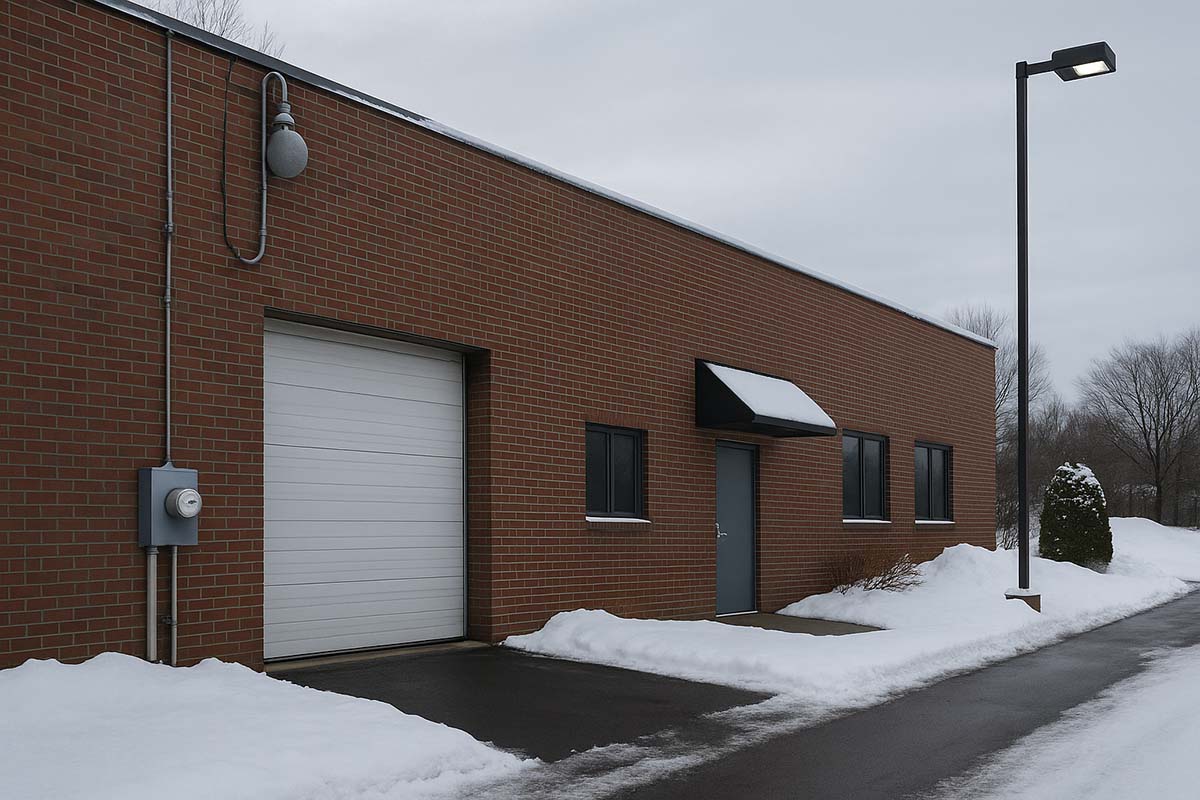
In colder climates, solar output often drops during winter months due to:
-
Shorter daylight hours
-
Snow accumulation on panels
-
Low sun angles
Ironically, this is when heating-related energy use is highest—meaning you may still rely heavily on the grid during peak demand.
5. Maintenance & Long-Term Reliability
Solar panels are often marketed as “maintenance-free,” but that’s not entirely true. Over time, systems may require:
-
Inverter replacement
-
Panel cleaning
-
Electrical troubleshooting
-
Monitoring system repairs
Roof-mounted systems can be difficult and expensive to service.
6. Complicated Financing & Contracts
Many solar installations are tied to:
-
Long-term leases
-
Power purchase agreements (PPAs)
-
Transfer restrictions when selling your home
These agreements can complicate real estate transactions, limit buyer interest, or reduce resale value.
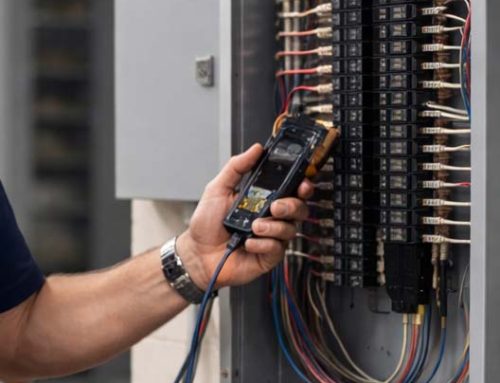
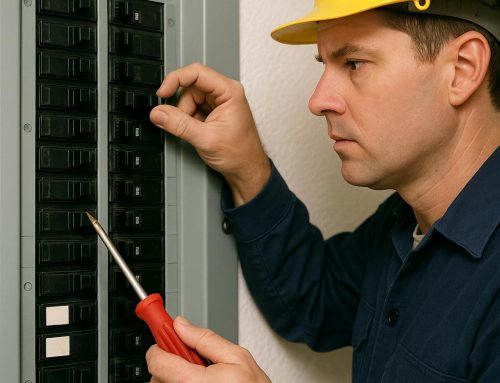
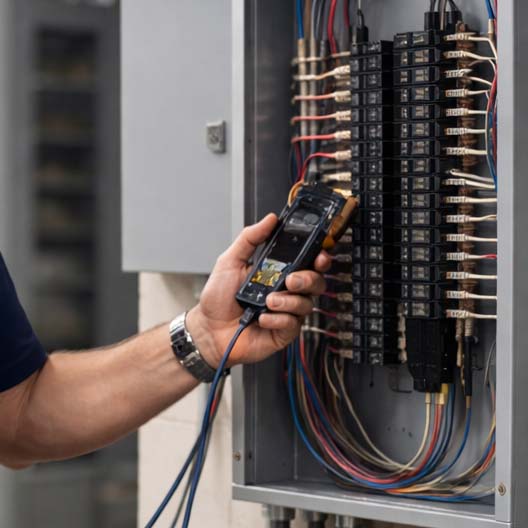
7. Electrical System Limitations
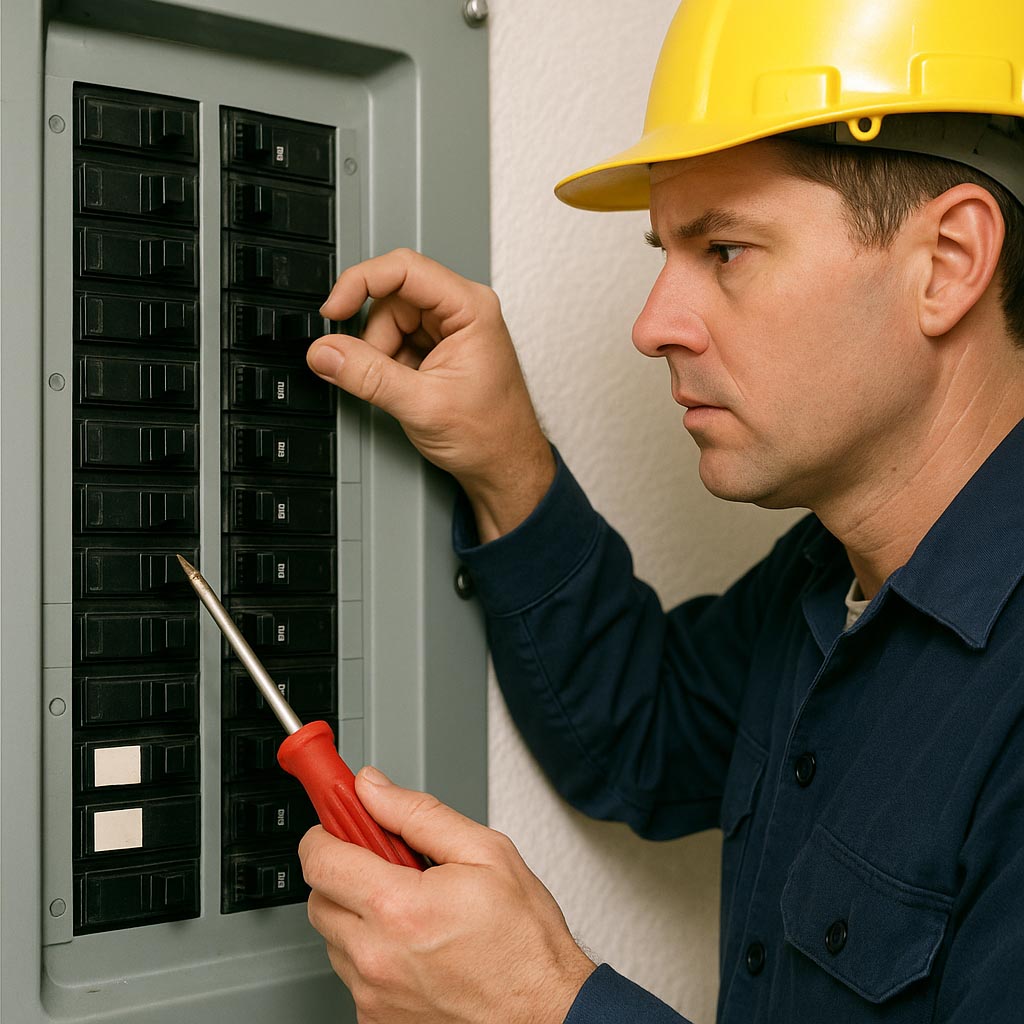
Older homes may need significant electrical upgrades to safely support solar integration. This can include:
-
Main panel replacements
-
Service upgrades
-
Utility coordination and inspections
These costs are often overlooked in initial estimates.
8. Not Always the Best “Green” Option
Solar panels aren’t the only way to reduce energy use. In many cases, homeowners achieve better results by investing in:
-
Improved insulation and air sealing
-
High-efficiency heat pumps
-
Smart thermostats
-
Energy-efficient windows and appliances
These upgrades often deliver lower cost, faster payback, and fewer complications.
Final Thoughts
Solar power can be a smart investment—but only when the home, budget, and long-term plans align. For many homeowners, the drawbacks outweigh the benefits, especially when roof conditions, climate, or financial factors aren’t ideal.
Before committing to solar, it’s worth exploring all energy-efficiency options and getting advice from qualified professionals who understand your home’s electrical system—not just your roof.
A thoughtful approach can save you money, prevent future headaches, and lead to smarter, more sustainable energy decisions overall.