Eric Gandler Clifton Park: How Electrical Submetering Can Help Commercial Property Owners
For commercial property owners, understanding electricity consumption can be more complicated than simply reviewing a monthly utility bill.
A building may contain multiple tenants, offices, warehouses, common areas, HVAC systems, and specialized equipment—all drawing electricity from the same electrical infrastructure.
But how much electricity is each area actually using?
That’s where electrical submetering can become valuable.
For businesses searching for Eric Gandler Clifton Park commercial electrical services, Development Electric provides commercial electrical installations, power distribution, troubleshooting, and system upgrades throughout Clifton Park and the Capital Region.
What Is Commercial Electrical Submetering?
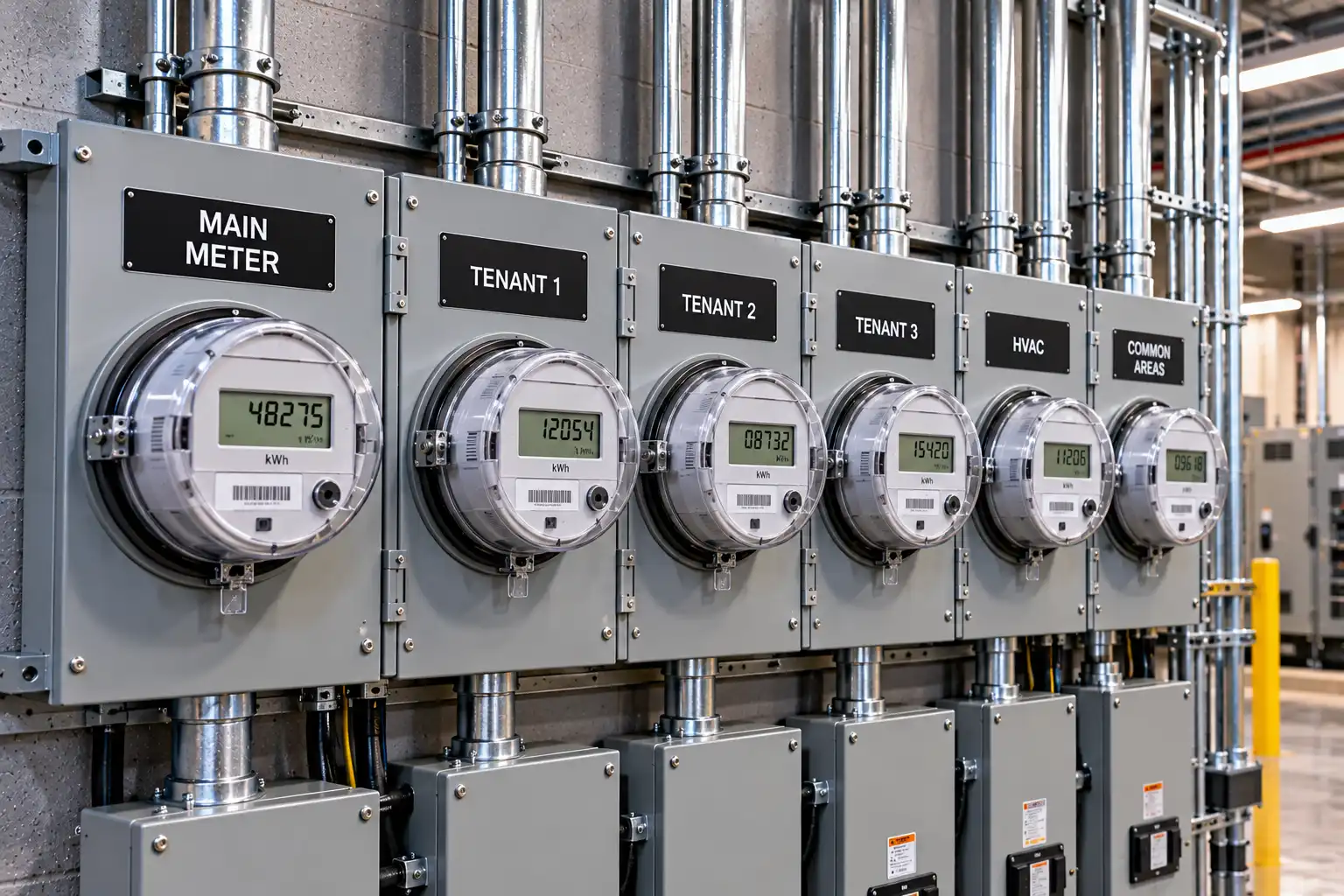
Electrical submetering involves installing additional meters within a building’s electrical distribution system to measure electricity consumption for specific areas, tenants, or equipment.
Unlike the main utility meter, which typically measures the electricity delivered to an entire property, submeters provide more detailed information about where that electricity is being used.
For example, a commercial building might use submeters to monitor:
- Individual tenant spaces
- Separate office suites
- Warehouse operations
- Manufacturing equipment
- Common areas
- HVAC systems
- Refrigeration equipment
- Other major electrical loads
This information can help property owners and facility managers better understand their buildings.
Why Is Submetering Useful for Multi-Tenant Buildings?
Consider a commercial property with four tenants sharing one main electrical service.
One tenant operates a small professional office. Another runs a business with refrigeration equipment. A third uses specialized machinery, while the fourth has ordinary retail operations.
Their electrical demands may be dramatically different.
Without individual metering, determining how much electricity each tenant consumes can be difficult.
Submetering can provide consumption data for each space, potentially supporting more accurate utility allocation when permitted by applicable regulations and lease agreements.
Understand Where Electricity Is Being Used
A monthly utility bill tells you how much electricity a property consumed during the billing period.
It doesn’t necessarily explain which areas or equipment contributed most to that consumption.
Submetering can provide additional insight.
For example, a property manager may discover that a particular section of the building consumes substantially more electricity than expected.
That information can help identify opportunities for further investigation, operational changes, or equipment improvements.
Submetering Can Help With Energy Management
Many businesses want to reduce unnecessary electrical consumption but don’t know where to begin.
When electricity usage is measured only at the main utility meter, it can be difficult to evaluate individual systems.
Monitoring selected electrical loads may help answer questions such as:
- How much electricity does a particular production area use?
- How does HVAC consumption change throughout the year?
- Is equipment consuming electricity outside normal operating hours?
- Did a recent equipment upgrade reduce energy usage?
- Which areas of the building have the highest electrical demand?
Having more detailed information can support better decisions about energy efficiency and equipment operation.
Electrical Submeters Are Not All the Same
Commercial electrical metering systems vary depending on the property and the information being collected.
Some systems provide basic electricity consumption readings.
Others can monitor additional information, including electrical demand, voltage, current, and other operating characteristics.
More advanced systems may allow facility managers to review data remotely or analyze consumption trends over time.
The appropriate solution depends on the building’s electrical infrastructure and the property owner’s goals.
Installation Requires Electrical Planning
Adding submeters isn’t simply a matter of attaching a device to an electrical panel.
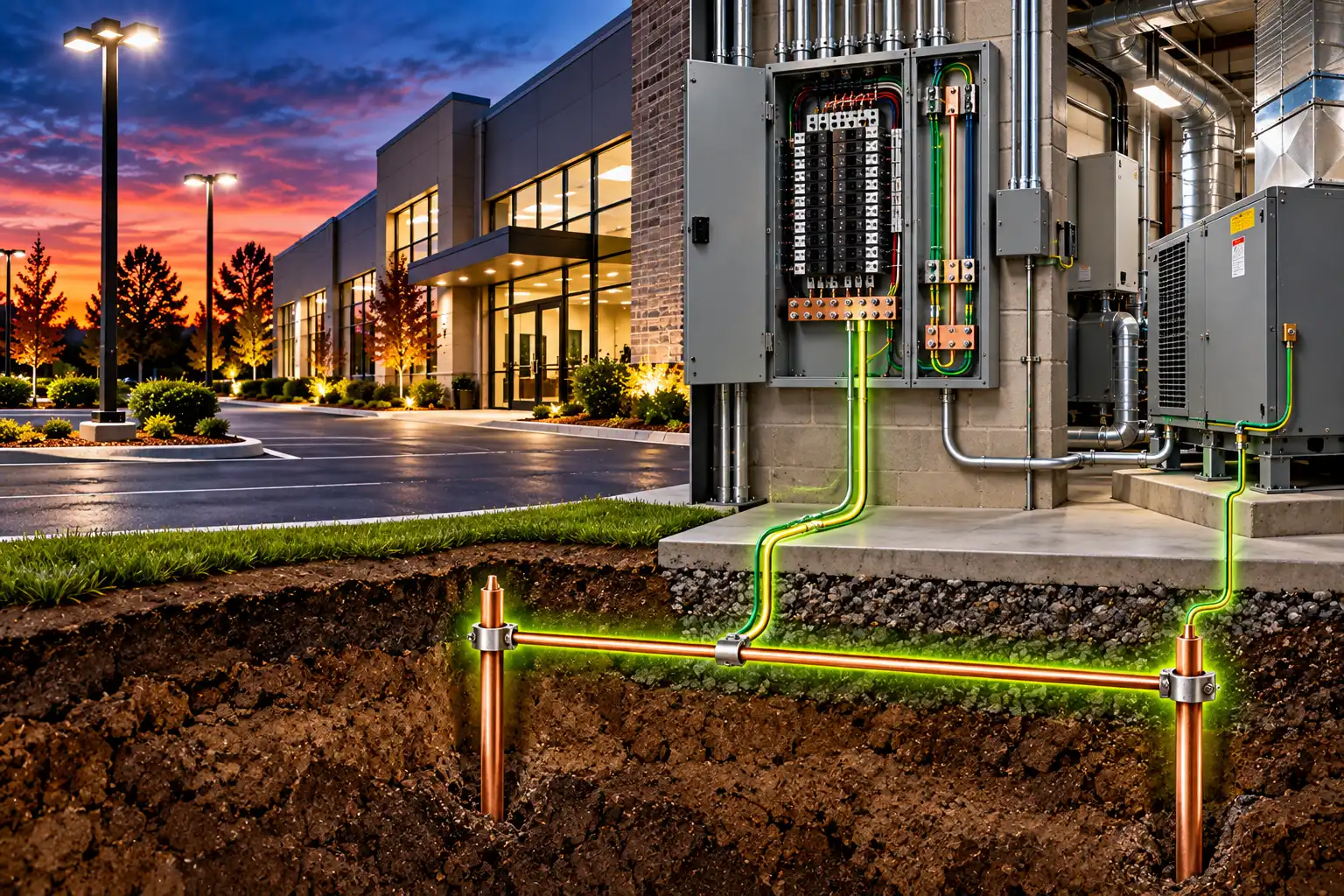
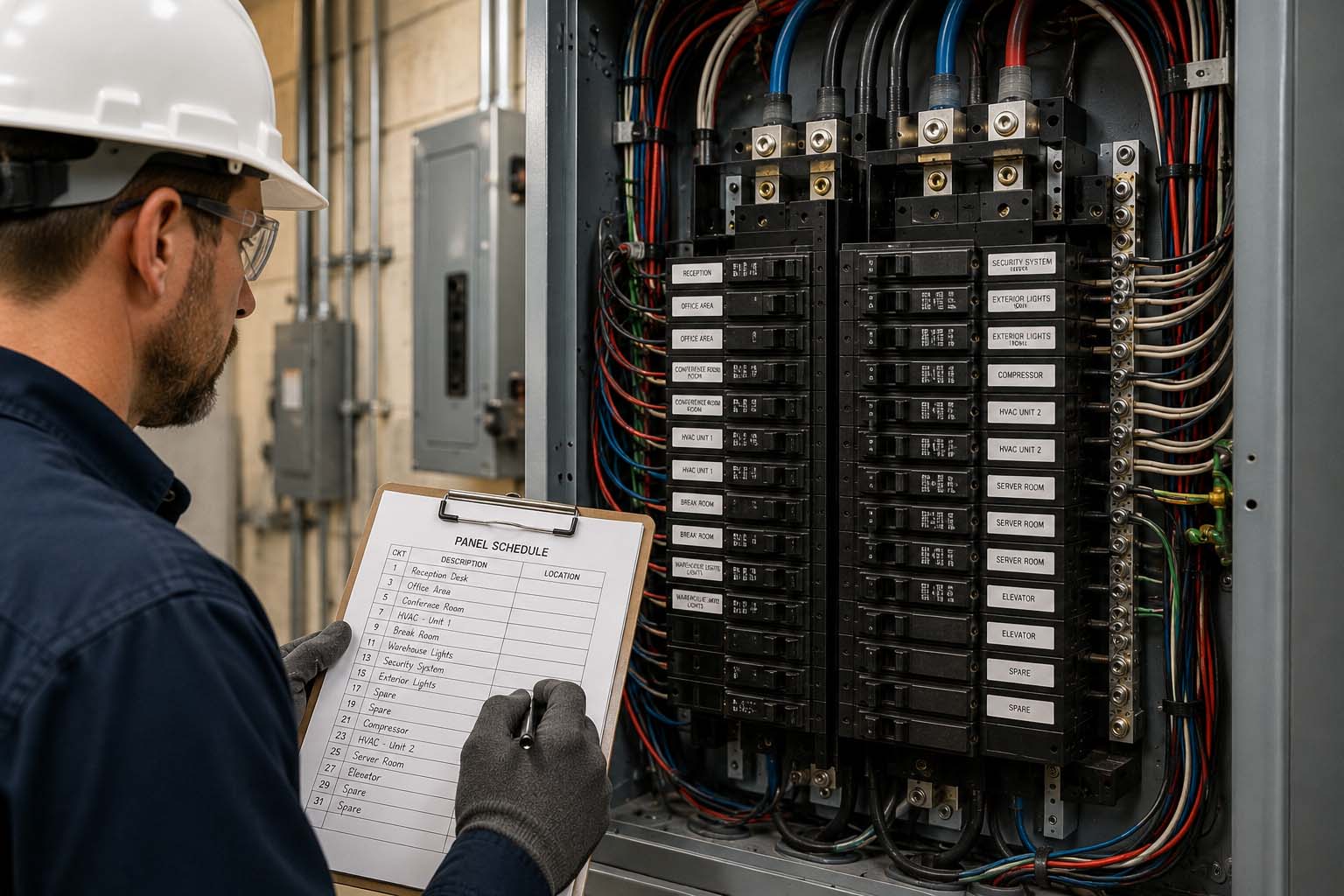
A proper installation may require evaluating the existing electrical distribution system, identifying which circuits or feeders supply particular areas, and selecting equipment appropriate for the installation.
Important considerations can include:
- Existing electrical panel configuration
- Available installation space
- Voltage and current ratings
- Metering accuracy
- Current transformer requirements
- Communication capabilities
- Applicable electrical codes
- Accessibility for maintenance
A qualified commercial electrician can help evaluate the electrical requirements of a proposed submetering installation.
Submetering Can Be Valuable During Renovations
Commercial renovations and tenant build-outs can provide an opportunity to consider electrical metering.
When electrical distribution equipment is already being modified, property owners may want to evaluate whether individual tenant spaces or major building systems should be separately monitored.
Planning for metering during construction may be easier than making changes after walls are finished and tenants have moved in.
For commercial landlords, this can also help prepare a property for future changes in occupancy.
Monitoring Equipment Can Reveal Unexpected Patterns
Detailed electrical consumption information can sometimes reveal operating patterns that weren’t previously obvious.
For example, a piece of equipment may continue consuming substantial electricity after normal business hours.
An HVAC system might operate longer than expected.
A production area could experience increased electrical demand following the installation of new machinery.
Submetering doesn’t automatically identify the cause of these conditions, but it can provide useful data for further investigation.
Is Electrical Submetering Right for Every Business?
Not necessarily.
For a small commercial property with a single tenant and relatively straightforward electrical usage, additional metering may offer limited value.
However, larger buildings, multi-tenant properties, industrial facilities, and businesses with significant equipment loads may have more reasons to consider it.
The decision should depend on what information the business needs and whether the benefits justify the installation and ongoing management.
Eric Gandler Clifton Park Commercial Electrical Services
Understanding how electricity is distributed and consumed throughout a commercial building can help property owners make more informed decisions about their facilities.
Whether you’re planning a renovation, adding tenants, expanding operations, or evaluating electrical infrastructure, proper electrical planning is important.
Businesses searching for Eric Gandler Clifton Park commercial electrical services can turn to Development Electric for more than 25 years of commercial and industrial electrical experience.
Eric Gandler Development Electric provides commercial electrical installations, troubleshooting, power distribution, panel and service upgrades, equipment connections, preventative maintenance, and electrical system improvements throughout Clifton Park and the Capital Region.
Considering changes to your commercial electrical distribution system? Call Eric Gandler Development Electric at 518-365-1583 to discuss your property’s electrical needs.