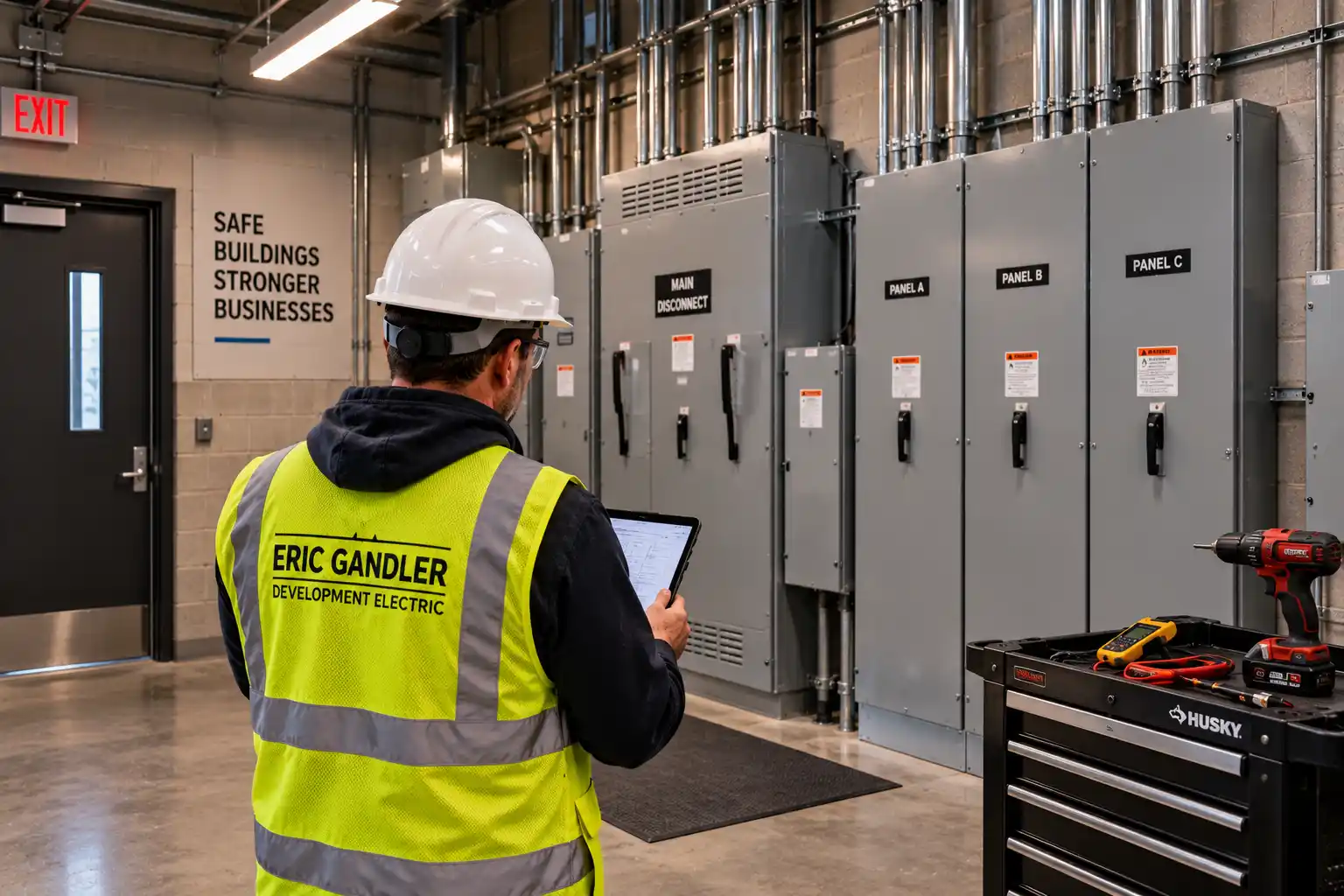
The electrical room may be one of the least-visited areas of a commercial building, but it contains equipment that nearly every part of the business depends on.
Electrical panels, disconnects, transformers, distribution equipment, and other components need appropriate space and accessibility. Yet over time, electrical rooms can gradually become storage areas filled with boxes, supplies, cleaning equipment, furniture, and anything else employees don’t know where to put.
For businesses searching for Eric Gandler Clifton Park commercial electrical services, keeping electrical equipment accessible is a simple but important part of maintaining a commercial property.
The Electrical Room Isn’t a Storage Closet
Unused floor space can be tempting in a busy commercial building. But electrical equipment requires working space so qualified personnel can safely access, inspect, maintain, and service it.
Stacking boxes or storing equipment directly in front of electrical panels can interfere with that access.
The solution is simple: treat electrical rooms and designated electrical working spaces as electrical areas—not convenient overflow storage.
Why Access Matters During an Electrical Problem
Imagine a piece of equipment suddenly loses power during the middle of the workday.
Before an electrician can begin diagnosing the problem, someone has to move stacks of inventory, shelving, or supplies just to reach the electrical panel.
That’s inconvenient during routine maintenance. During an urgent electrical situation, it can become a much bigger problem.
Keeping electrical equipment readily accessible allows qualified personnel to get to the system without unnecessary delays.
Look Above and Around Electrical Equipment
Clearance isn’t only about the floor directly in front of a panel.
Commercial electrical installations have requirements related to working space and dedicated areas around certain electrical equipment. The exact requirements depend on the equipment and installation.
That’s one reason businesses shouldn’t install shelving, plumbing, storage systems, or other building components around electrical equipment without considering the electrical installation.
When renovating or reorganizing a commercial property, make sure the electrical room remains part of the planning process.
Keep Electrical Rooms Clean and Dry
Storage isn’t the only concern.
Electrical equipment should also be protected from conditions that could affect its safe operation.
Pay attention to issues such as:
- Water leaks
- Excessive moisture
- Dust and debris
- Damaged electrical enclosures
- Blocked ventilation
- Materials stored against electrical equipment
- Signs of overheating or deterioration
If water is leaking into an electrical room or appears to have reached electrical equipment, don’t attempt to inspect energized components yourself. Have the situation professionally evaluated.
Don’t Block Panel Labels
Commercial buildings can contain multiple panels serving different areas and equipment.
Clear identification can make troubleshooting and maintenance considerably easier.
Avoid stacking materials where they cover panel directories, equipment identification, warning labels, or other important information.
If panel labels are outdated or nobody knows what particular circuits control, that’s also a good reason to have the electrical system reviewed and documentation updated.
Electrical Rooms Should Be Part of Routine Facility Inspections
Facility managers routinely inspect mechanical rooms, roofs, HVAC equipment, plumbing systems, and other building infrastructure.
Electrical areas deserve similar attention. Eric Gandler Clifton Parkhttps://www.instagram.com/ericgandlerdevelopmentelectric/
A simple visual walkthrough can help identify obvious changes such as new storage, water intrusion, physical damage, or blocked access.
This doesn’t mean opening panels or touching electrical equipment. Inspection and service of electrical components should be left to qualified professionals.
The goal is simply to prevent the electrical room from becoming an ignored part of the building.
Renovations Can Create New Problems
Commercial properties change constantly.
Walls move. Storage areas expand. New equipment is installed. Tenants change. Mechanical systems are modified.
During those changes, electrical equipment can unintentionally become crowded by new construction or other building systems.
Including electrical access in renovation planning can prevent a seemingly minor design decision from creating a problem later.
A Small Facility-Management Habit Can Make a Big Difference
Keeping an electrical room organized doesn’t require sophisticated technology or a major investment.
Make sure electrical equipment remains accessible. Don’t use required working space for storage. Watch for moisture or physical damage. Keep identification visible. And don’t allow renovations to gradually encroach on electrical areas.
These simple practices make it easier to inspect, maintain, and troubleshoot one of the most important systems in the building.
Eric Gandler Clifton Park Commercial Electrical Services
If you’re searching for Eric Gandler Clifton Park commercial electrical services, Development Electric provides more than 25 years of commercial and industrial electrical experience.
Eric Gandler Development Electric helps businesses throughout Clifton Park and the Capital Region with commercial electrical troubleshooting, inspections, preventative maintenance, panel and service upgrades, power distribution, renovations, equipment installations, and other commercial and industrial electrical needs.
Keeping electrical equipment accessible is only one part of maintaining a reliable commercial electrical system. Regular attention to the entire system can help identify developing problems before they interrupt your business.
Need your commercial electrical system evaluated? Contact Eric Gandler Clifton Park at Development Electric.